


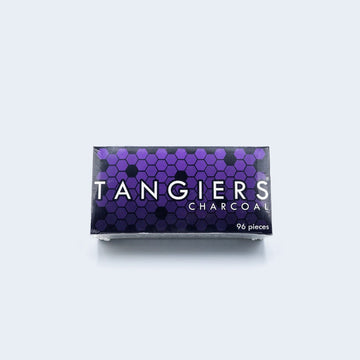

The best type of hookah charcoal is natural coconut charcoal. Unlike quick-light coals, which use chemical accelerants (sulfur or nitrates) to ignite rapidly, coconut coals are made from organic compressed shells. This makes them odorless, tasteless, and capable of burning up to 3x longer than quick-lights, ensuring your shisha flavor remains pure and unpolluted.
The world of hookah smoking is one steeped in tradition, relaxation, and, most importantly, flavor. However, the quality of your session is only as good as its weakest link. You can buy the most expensive hookah, the rarest shisha, and a premium bowl, but if you use the wrong heat source, you will ruin the experience.
For decades, smokers have debated the choice of fuel: Coconut Coals vs. Quick-Light Coals.
On one side, you have the convenience of the Quick-Light—fast, easy, and ready in seconds. On the other, you have the performance of Coconut Charcoal—slow to light, but legendary for its heat consistency. In this extensive guide, we apply the "Jobs to Be Done" framework to help you decide which fuel deserves a place in your hookah supplies kit.
What type of hookah charcoal is best?
When we ask "what is best," we are really asking: "Which coal does the job of heating tobacco without ruining the flavor?"
The Two Contenders
-
Natural Coconut Charcoal: The industry standard for lounges and enthusiasts. These are cubes or flats made from raw coconut shells. Brands like Shaman and Coco Nara dominate this space.

-
Quick-Light (Instant) Charcoal: The "convenience store" option. These are discs coated in a chemical accelerant. The most recognizable name here is Three Kings.
The Verdict: Coconut Wins on Quality
If your primary goal is Flavor Purity, coconut hookah charcoals are objectively superior.
-
No Chemical Interference: Because they lack ignition chemicals, they do not impart a metallic or sulfurous taste to your smoke.
-
Heat Stability: They burn at a steady, consistent temperature. Quick-lights tend to spike in heat (scorching your bowl) and then die out rapidly.
The Verdict: Quick-Lights Win on Convenience
If your primary goal is Speed (e.g., smoking on a beach or a hike without a burner), Quick-Lights are the only viable option. However, this convenience comes at a heavy cost to flavor.
What is the difference between quick-light and coconut charcoal?
To make an informed decision, you need to look at the data. The differences between these two fuels are not just about shape; they are about chemistry and thermodynamics.
The Tale of the Tape: Performance Comparison
|
Feature |
Coconut Hookah Coal |
Quick-Light Charcoal |
|
Ignition Time |
8–12 Minutes (Needs Burner) |
30–60 Seconds (Lighter) |
|
Burn Duration |
60–90 Minutes |
30–45 Minutes |
|
Odor/Taste |
Neutral / Odorless |
Sulfur / Chemical / Metallic |
|
Ash Content |
Low (2-3% volume) |
High (Flaky, messy ash) |
|
Heat Curve |
Flat & Consistent |
Hot Spike $\rightarrow$ Rapid Drop |
The "Taste Test" Difference
The most immediate difference a new smoker will notice is the "Chemical Note."
-
Quick-Lights: When you light them, you will see sparks fly and smell gunpowder. Even after they turn gray, a residue of this accelerant remains. When you inhale, this coats your tongue, masking the delicate notes of your hookah flavors.
-
Coconut Coals: Once fully lit (red hot), they are chemically inert. When you pull from the hookah, you are tasting 100% vaporized molasses and 0% fuel.
What is the best material for hookah charcoal?
Not all charcoal is created equal. The raw material used to manufacture the coal dictates how clean it burns and how much ash it produces.
1. Coconut Shell (The Gold Standard)
The best material for hookah coal is compressed coconut shell.
-
Sustainability: It is a byproduct of the coconut industry, making it eco-friendly. No trees are cut down to make it.
-
Density: Coconut shells are incredibly dense. This allows manufacturers to compress them into heavy cubes that hold thermal energy efficiently.
-
Ash Profile: Good coconut coal produces a whitish-gray ash that stays compact. It doesn't crumble into your bowl and clog the airflow.
Top Picks in This Category:
-
Coco Urth: Known for extreme purity and low ash. These are often the choice for smokers who want the absolute cleanest flavor profile possible, as they have zero impact on the taste of the shisha.

-
Shaman: A premium option that burns very hot and very long. Shaman coals are excellent for heat-intensive setups, such as dense-packed dark leaf bowls that require significant thermal energy to penetrate the tobacco.
-
Superior Coco: A reliable, workhorse coal that offers a great balance of heat longevity and price, making it a staple for daily smokers.

2. Wood / Lemon Wood (The Traditionalist)
Before coconut coals, natural wood lumps (like Lemon Wood) were the standard.
-
Pros: They give a mild, woodsy aroma that some traditional smokers (smoking Jurak or Tombac) enjoy.
-
Cons: They are irregular in shape and burn faster than coconut. They are rarely used for modern shisha.
3. Compressed Sawdust/Sulfur (The Quick-Light)
Quick-lights are often made from low-quality wood dust or sawdust binders mixed with nitrates.
-
The Chemistry: To make them light with a match, they are impregnated with chemicals similar to those found in fireworks.
-
The Risk: Inhaling the combustion byproducts of these accelerants (Benzene, Carbon Monoxide spikes) is generally considered harsher and less healthy than natural options.
Which hookah charcoal is the best?
For the Foil Smoker: The "Flat" Coal
If you smoke using aluminum foil rather than a Heat Management Device (HMD), large cubes can sometimes be too hot or unstable (prone to rolling off).
-
The Solution: Titanium Hookah Flats. Titanium pioneered the "flat" rectangular shape. These sit lower on the foil, providing a wider surface area of heat without the risk of tipping over. They allow for very precise heat management, making them a favorite among Tangiers smokers who need to control temperature carefully.
For the Modern HMD User: The "Cube" Coal
If you use a Kaloud Lotus or Provost, you want density and longevity.
-
The Solution: Coco Nara. One of the original brands that popularized coconut charcoal in the US. Their classic cube shape fits perfectly into most HMDs. While the market has expanded, Coco Nara remains a recognizable entry point for many looking to switch from quick-lights to natural coals.
-
The Upgrade: For those seeking extended burn times (90+ minutes), stepping up to Coco Urth or Shaman cubes will provide that extra duration needed for long sessions.
For the Traveler: The "Emergency" Coal
We only recommend Quick-Lights for scenarios where electricity is unavailable (camping, beach).
-
The Solution: Three Kings Quick Light Coals. If you must use a quick-light, Three Kings is the industry benchmark. They light faster and cleaner than generic brands, but you must let them burn for at least 5 minutes after the sparking stops to allow the accelerant to burn off before placing them on your bowl.
How to make hookah coals last longer?
Whether you choose coconut or quick-light, managing your heat is the skill that separates beginners from experts.
1. The "Fully Lit" Rule
Never, ever place a coal on your bowl until it is fully glowing red.
-
The Black Spot: If you see black spots on the coal, that part is not lit. It will release Carbon Monoxide and taste terrible. Wait until the gray ash covers the surface and the red glow is visible underneath.
2. Ash Management
-
Coconut Coals: You will need to "ash" them (drop them on the tray to knock off the gray layer) maybe once every 30 minutes.
-
Quick-Lights: You will need to ash them every 10–15 minutes. Because they are less dense, they turn to dust quickly. If you don't clear the ash, it acts as an insulator, killing the heat transfer to your bowl.
3. Storage
Keep your hookah supplies dry. Charcoal is porous. If you leave your box of coconut coals open in a humid garage, they will absorb moisture.
-
The Result: "Wet" coals will crack, pop, or go out mid-session. Store them in a sealed container.
Conclusion: Respect the Session
Your hookah session is a ritual. It is a pause in your busy day. Don't rush it with inferior fuel. While the 10-minute wait for coconut hookah coals might feel long, it is a small investment for a 90-minute session of pure, unadulterated flavor.
By making the switch to natural coconut charcoal, you elevate every aspect of your experience—cleaner taste, thicker clouds, and a hookah that stays cleaner, longer.
Frequently Asked Questions About Hookah Charcoal
Q: What type of hookah charcoal is best? A: Without question, Natural Coconut Charcoal is the superior choice for modern hookah smoking. Unlike other options, it is specifically engineered for shisha pipes to provide high, consistent heat without interfering with the flavor. Brands like Coco Urth and Titanium are considered the gold standard because they are dense, burn longer (up to 90 minutes), and do not add any unwanted chemical tastes to your session. While they require a burner to light, the payoff in flavor purity is worth the wait.
Q: What is the difference between quick-light and coconut charcoal? A: The main difference lies in convenience versus quality.
-
Quick-Light Coals (e.g., Three Kings): These are coated in a chemical accelerant (like magnesium or sulfur) that allows them to ignite instantly with a lighter. However, they burn very hot and fast (usually 30–40 minutes) and often impart a chemical or metallic taste to the smoke.
-
Coconut Charcoal: These are made from compressed coconut shells with no chemical coatings. They take 8–10 minutes to light on an electric burner but are completely odorless and tasteless once lit. They burn significantly longer (60–90 minutes) and produce cleaner heat that doesn't scorch your tobacco.
Q: What is the best material for hookah charcoal? A: The best material is Compressed Coconut Shells. This material is preferred for three reasons:
-
Density: Coconut shells can be compressed much tighter than wood, meaning they hold more thermal energy and burn slower.
-
Neutrality: Unlike lemon wood or mesquite, which add a "woodsy" BBQ flavor to the smoke, coconut shells are flavor-neutral, allowing you to taste only your shisha.
-
Sustainability: They are made from the byproduct of the coconut fruit industry, making them an eco-friendly renewable resource that doesn't require cutting down trees.