

Quick Answer:
- What is shisha? Shisha (mu'assel) is a wet tobacco mixture designed for vaporization, not combustion.
- Ingredients: Four main components — tobacco leaf (structure), vegetable glycerin (clouds), molasses or honey (binder), and food-grade flavoring.
- The chemistry: When heated, the glycerin vaporizes before the leaf can burn, carrying the nicotine and flavor in a thick white aerosol.
When most people ask "what is shisha tobacco," they are looking for a flavor recommendation or a quick definition. But for the true enthusiast, the answer lies in botany, chemistry, and thermodynamics.
Shisha (or mu'assel) is not simply "wet tobacco." It is a complex, engineered product designed to undergo a specific physical reaction when heated. Unlike cigarettes, which rely on combustion (burning), shisha relies on distillation and vaporization.
In this technical guide, we are peeling back the foil. We will explore what shisha is made of on a molecular level, the industrial process of curing leaves, and the precise chemistry that allows a solid leaf to produce thick, flavorful clouds.
The Anatomy of the Blend: What Is Shisha Made Of?
At its core, modern shisha consists of four primary components. However, the ratio and quality of these ingredients determine the heat resistance, cloud output, and shelf life of the product. These are the four pillars of production:
A. The Substrate: Tobacco Leaf (Nicotiana tabacum)
The tobacco leaf acts as the carrier for the glycerin and flavor. It provides the nicotine and the "skeleton" of the smoke.
- Virginia flue-cured: The most common leaf used in blonde shisha. It is high in sugar and low in nitrogen, dried in heated barns (flues) that lock in the yellow-orange color and natural sweetness.
- Burley air-cured: The standard for dark leaf shisha. This leaf is air-dried in open barns for weeks. It has low sugar content but high nicotine absorption, giving it that robust, earthy "tobacco note."
B. The Humectant: Vegetable Glycerin (VG)
This is the engine of the smoke. Is shisha smoke actually smoke? Technically, it is an aerosol.
Glycerin is a sugar alcohol derived from plant oils (usually soy, coconut, or palm). It is hygroscopic, meaning it absorbs moisture from the air. When heated by charcoal, the glycerin boils before the tobacco burns, creating the thick white vapor that carries the flavor. Without glycerin, shisha would simply be dry, burning leaves.
C. The Binder: Molasses or Honey
In traditional Middle Eastern production — Egypt and the Gulf — molasses (a byproduct of refining sugar cane) is the standard binder. It gives the smoke a rich, heavy texture.
- Molasses: Earthy, robust, darker color.
- Honey: Sweeter, lighter, more expensive. Used in premium modern blends.
- Inverted sugar syrup: A chemically treated sugar syrup used in some budget brands to create a neutral taste profile that doesn't interfere with the flavoring.
D. The Flavoring: Food-Grade Concentrates
These are typically propylene glycol (PG) or alcohol-based flavorings similar to those used in the food industry. Manufacturers must carefully balance these, as oil-based flavorings can separate from the glycerin and cause the shisha to overheat.
The Manufacturing Process: From Leaf to Container
The creation of shisha is a process of fermentation and acclimatization. Here is the step-by-step technical process of how your favorite tub is made.
Step 1: Stripping and Cutting
Raw tobacco leaves arrive in bales. The first step is "stripping," where the central stem (midrib) is removed. Stems contain little nicotine and taste woody when heated. The lamina (the leaf blade) is then shredded.
- Fine cut: Increases surface area for quick flavor release but burns faster.
- Rough cut: Preserves the leaf structure, allowing for better airflow and heat tolerance.
Step 2: The Washing Process (The Critical Step)
This is the main differentiator in shisha production — and the reason dark and blonde blends smoke so differently, as we break down in our dark leaf vs. blonde leaf packing guide.
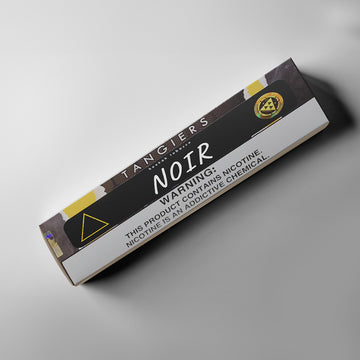
- Unwashed: The leaf is used in its raw state. It retains all natural nicotine and tars. This is used for heavy dark leaf blends (like Tangiers Noir).
- Washed: The leaf is boiled or rinsed in water. This process extracts distinct alkaloids and reduces the nicotine content significantly.
- Double washed: Some "ultra-blonde" leaves are washed multiple times to remove almost all tobacco flavor, creating a neutral canvas for fruit flavors.
Step 3: The Cooking / Marination
The tobacco is not just dipped in juice; it is often cooked.
Manufacturers mix the glycerin, molasses, and tobacco in large vats. Heat is often applied to open the pores of the tobacco leaf, forcing it to absorb the liquid mixture. This process, known as curing, can take anywhere from 24 hours to several weeks.
If the tobacco is not cured long enough, the juice will sit on top of the leaf (resulting in a session that loses flavor quickly). If cured correctly, the leaf becomes saturated, ensuring the flavor lasts until the charcoal dies.
Step 4: Acclimatization
Before packaging, the tobacco must rest. This allows the volatile chemical compounds in the flavorings to stabilize. This is why some high-nicotine brands require "acclimatization" after you open the package — the tobacco needs to react with oxygen to balance its humidity and aroma.
The Physics of the Session: Combustion vs. Distillation
A common question is whether shisha and cigarettes work the same way. From a physics standpoint, they are diametric opposites.
- Cigarette (combustion): You apply flame directly to dry leaf. The leaf burns at 900°C+. You inhale the solid particulates (ash) and chemical byproducts of burning organic matter.
- Shisha (distillation): The hookah charcoal sits above the tobacco, separated by foil or a heat management device. The hot air passing over the tobacco heats it to roughly 200°C (392°F).
At this temperature, the glycerin and moisture inside the leaf reach their boiling points and turn into vapor. The tobacco leaf itself does not (or should not) burn. It merely "sweats" out the flavored glycerin. This is why, after a good session, the tobacco in the bowl is black and crispy but not turned to white ash.
Is Shisha a Drug?
From a pharmacological perspective, shisha is a delivery mechanism for nicotine, which is a psychoactive stimulant found in the nightshade family of plants. While the delivery method (vaporization) is different from cigarettes, the active alkaloid (nicotine) remains the same.
Modern Variations: The "Vape" Intersection
With the rise of electronic smoking, many users ask whether shisha is basically a vape — a comparison we unpack fully in our hookah vs. vape guide.
Technically, modern shisha and vape juice share 50% of their DNA. Both rely heavily on vegetable glycerin (VG) and food-grade flavorings to create vapor. The difference lies in the heating element:
- Vape: Uses a battery-powered metal coil to heat a liquid solution instantly.
- Hookah: Uses a coal-heated convection oven (the bowl) to slowly bake a solid substrate (the tobacco).
Because of the organic plant matter in hookah, the vapor contains complex alkaloids and MAOIs (monoamine oxidase inhibitors) that are naturally present in tobacco, providing a "heavier" and more relaxing effect than the isolated nicotine used in vapes.
Summary: The Technical Takeaway
Next time you load a bowl, remember that you are not just "smoking." You are managing a miniature chemical reactor.
- The glycerin creates the cloud.
- The molasses preserves the leaf and adds body.
- The washing process determines the nicotine strength.
- The heat drives the distillation.
Understanding shisha at this technical level helps you appreciate why heat management is so critical. You are trying to maintain the perfect temperature to boil the glycerin without scorching the carbon-based leaf structure.
Ready to explore the best blends in the world? Now that you know how it's made, shop the full range of hookah shisha at Hookah Vault — every brand in it has mastered this science.
And for the practical questions the chemistry raises — like how long an opened tub actually lasts — see our guide on whether shisha expires.